October 27, 2026 - 191 views
Flooding, coastal erosion and extreme weather are among the threats highlighted in a new regional assessment, which warns that councils and public services must do more to prepare for a changing climate.
North Wales needs to strengthen its defences against flooding, prepare for more extreme weather and protect vulnerable residents, according to a new assessment examining the risks climate change poses across the region.
The North Wales Regional Climate Change Risk Assessment has reviewed 62 potential risks affecting communities, businesses, public services, transport networks and the natural environment across Gwynedd, Anglesey, Conwy, Denbighshire, Flintshire and Wrexham.
Of those risks, 17 have been classified as requiring action now, with a further 32 requiring planning to begin now. Six have been categorised as lower priority or requiring monitoring.
The findings highlight how climate change could affect everyday life, from homes and roads being flooded to disruption to health and social care services, coastal communities and the supply chains businesses depend upon.
For communities along the North Wales coast, the findings are particularly relevant. Flooding, coastal erosion and the increasing pressure on infrastructure from severe weather all present challenges for an area where homes, businesses, roads and tourism facilities are often concentrated close to the sea.
The assessment does not suggest that every part of North Wales faces the same level of danger. Instead, it brings together evidence from across the region to help identify where action and investment are most urgently needed.
The report also highlights work already taking place to improve the region's resilience, including flood alleviation schemes, coastal adaptation projects, preparations for wildfires and investment in transport infrastructure designed to withstand severe weather.
Experience of major storms and flooding has also helped strengthen cooperation between emergency services, councils and other organisations, allowing them to coordinate responses and provide mutual support when incidents affect several areas.
The assessment argues that this collaboration will become increasingly important because extreme weather does not respect local authority boundaries. Disruption in one county can have consequences for neighbouring communities, particularly when major roads, transport links and essential services are affected.
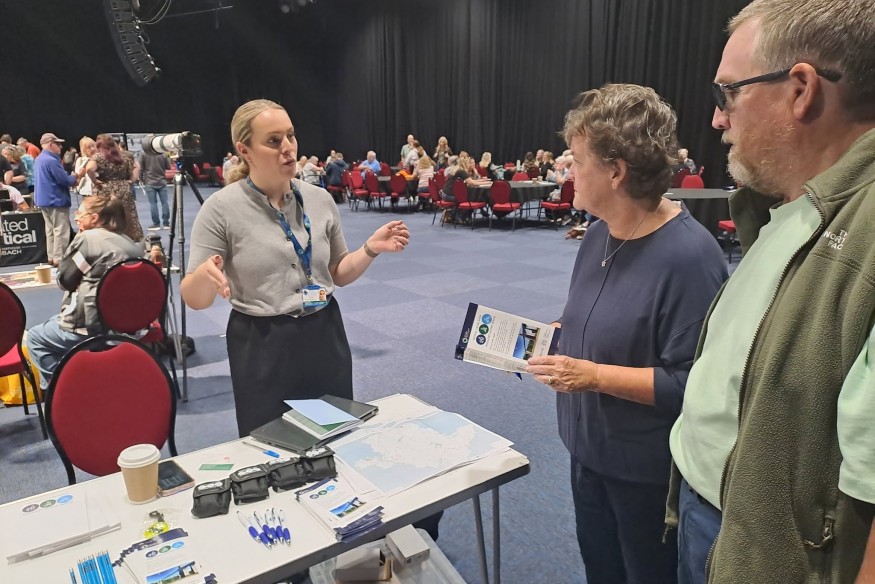
The work was produced collaboratively by the region's three Public Services Boards, the six local authorities and a wide range of partners. The organisations involved included Betsi Cadwaladr University Health Board, Natural Resources Wales, North Wales Fire and Rescue Service, North Wales Police and Dŵr Cymru.
Producing the assessment in-house, rather than commissioning external consultants to undertake the work, also saved an estimated £200,000 compared with quoted consultancy fees.
Professor Andrew Edwards, chair of the Gwynedd and Anglesey Public Services Board, said the assessment provided a clearer shared understanding of the risks already being experienced by communities.
He said the challenge was to build on existing knowledge and ensure climate risks were considered in decisions about public services, infrastructure, communities and the natural environment.
A spokesperson for the Conwy and Denbighshire Public Services Board said the report demonstrated the importance of investing early to avoid the potentially greater costs of delayed action.
The assessment warns that climate change will not affect everyone equally.
Older people, those with disabilities or existing health conditions, people on low incomes and those living in poor housing or experiencing social isolation may be particularly vulnerable during periods of extreme heat, flooding or other severe weather.
That means preparing for climate change is not simply a question of building flood defences or repairing roads. It also involves ensuring that health and social care services can continue operating, identifying people who may need additional support and helping communities recover when disruption occurs.
The natural environment is another important part of the response.
Peatlands, woodlands, rivers, sand dunes and saltmarshes can all help reduce climate-related risks. Healthy habitats can absorb and store water, reduce flooding in some circumstances, provide natural protection along coastlines, support wildlife and help manage the effects of rising temperatures.
Protecting and restoring these environments could therefore deliver benefits for both biodiversity and the communities living alongside them.
Nina Ruddle, chair of the Flintshire and Wrexham Public Services Board, said the assessment was intended to help organisations decide what to do next, rather than simply identify problems.
She said the evidence should inform investment decisions, strengthen services and infrastructure, and help communities and businesses prepare for future changes.
The findings will help shape the next round of Well-being Assessments and Well-being Plans covering 2027 to 2032, which councils and Public Services Boards will consult on over the coming year.
They will also inform decisions about public spending, infrastructure maintenance, emergency planning and business continuity.
The regional assessment draws on guidance from Natural Resources Wales and the UK Climate Change Risk Assessment framework. It provides an overview of the evidence available, while identifying areas where further research and information are needed.
The regional and county-level reports are due to be published over the coming weeks on Agenda Cymru.
The central message is that North Wales already has experience and practical measures to build upon, but the scale of the risks means preparation cannot be treated as a one-off exercise.
For residents, the implications extend beyond long-term environmental targets. The decisions made now about flood protection, public services, transport, housing and the natural environment could help determine how well communities across North Wales cope with the storms, flooding and other climate pressures of the years ahead.