July 30, 2026 - 590 views
A drought has now been declared across the whole of Wales as the country heads towards what could become its driest July since records began almost 190 years ago.
Natural Resources Wales (NRW) announced on Thursday that environmental drought status has been extended nationwide following weeks of exceptionally dry weather, record-breaking temperatures and mounting pressure on rivers, wildlife and the countryside.
The decision follows last week's declaration of drought across north Wales and parts of mid Wales, with conditions continuing to worsen across the country.
NRW said record-low river levels, parched soils, widespread wildfires and the impact on wildlife, farming and forestry had all contributed to the decision.
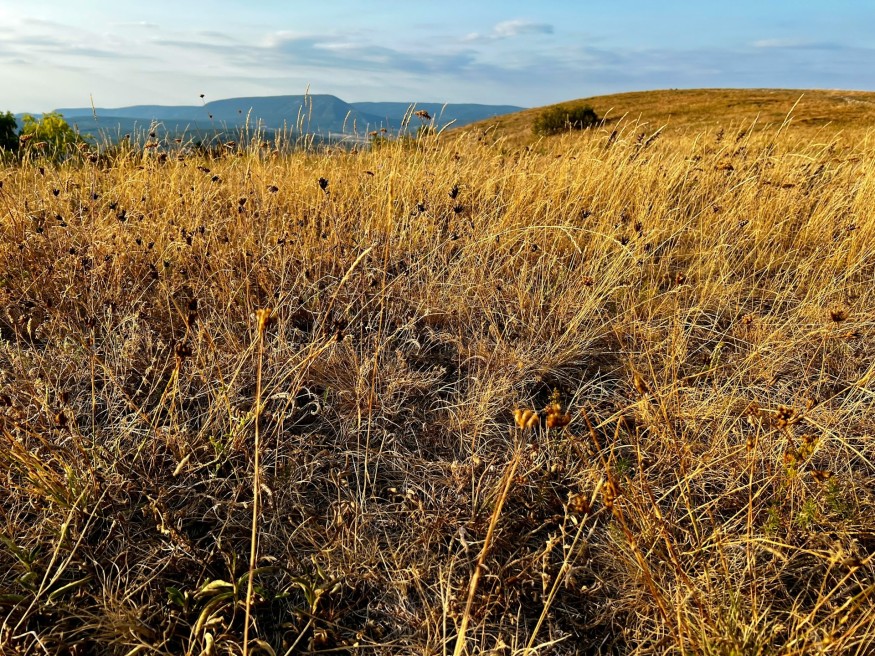
The environmental body warned that sustained high temperatures are continuing to place significant stress on Wales' natural environment, with habitats and ecosystems becoming increasingly vulnerable after a prolonged period of hot, dry weather.
The declaration will lead to increased monitoring of rivers and watercourses, closer scrutiny of environmental conditions and stronger public messaging encouraging people to use water responsibly.
However, NRW stressed that the announcement does not mean household water supplies are under immediate threat. Welsh water companies say reservoirs remain at healthy levels following a wetter-than-average start to the year, and there are currently no hosepipe bans in place.
In North Wales, the prolonged dry spell has already had a noticeable impact.
North Wales Fire and Rescue Service has spent much of the summer tackling a series of large vegetation fires, including incidents on Bangor Mountain, the Rhinogydd near Harlech, the Sychnant Pass above Conwy and parts of Eryri (Snowdonia) National Park. Some areas have required repeated inspections to ensure hotspots did not reignite, while firefighters have urged people to avoid lighting barbecues or campfires in the countryside.
Farmers across the region have also reported increasingly dry grazing conditions, while lower river levels are placing additional pressure on fish and other aquatic wildlife. Conservation organisations have warned that prolonged low water levels can reduce oxygen in rivers, increase water temperatures and affect habitats relied upon by species including Atlantic salmon and brown trout.
The latest declaration comes after Wales experienced one of its warmest and driest starts to summer in recent decades. With little significant rainfall forecast in many areas, environmental experts say recovery could take weeks or even months, depending on weather conditions during the remainder of the summer.
NRW is continuing to work with water companies, local authorities, farming organisations and environmental partners to monitor conditions and respond to any further deterioration.
The organisation is encouraging the public to play their part by using water wisely where possible and remaining vigilant in the countryside, where the risk of grass and wildfire remains high despite isolated showers in some areas.
While drinking water supplies remain secure, NRW said the environmental drought declaration reflects the growing pressure being placed on Wales' rivers, landscapes and wildlife and serves as a reminder that prolonged periods of hot, dry weather can have significant consequences for the natural environment.