December 19, 2019 - 2511 views
More than 1,000 people have been admitted into hospital with hip fractures across North Wales within the last year.
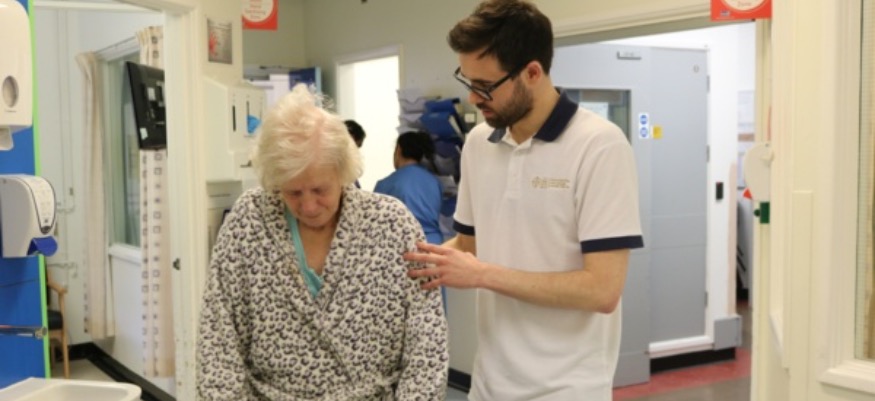
A hip fracture is a serious injury which happens mostly in elderly and vulnerable people after a simple fall, mostly in the home environment.
With an increase in fractures expected over the winter months the Orthopaedic and Falls Prevention teams at Welsh hospitals are encouraging people to make simple changes to try to avoid this type of injury.
Mr Ibrahim Malek, Consultant Orthopaedic and Trauma Surgeon, said: “As we head into the festive period we would like to encourage our communities across North Wales to keep an eye on elderly neighbours and relatives during the wintry weather.
“This is a good time to think about how the bad weather may affect your friends and family, particularly if they are older and have pre-existing health conditions.
“Elderly people can be particularly prone to the ill-effects of the cold weather which can lead to falls.
“Falls are very common amongst older people, especially in people aged 80 and over, who may have reduced vision or mobility and balance problems.
“We see an increase in hospital admissions during the winter months with this devastating injury and a majority of these patients require highly challenging operations to treat them.
“Unfortunately, quite a few of these patients will never be able to get back to their pre-injury level of activity and this poses a risk that the patient will lost their independence.
“It makes sense to try to avoid this injury happening in the first place and there are very simple personal and household changes that can be done to reduce the risk of a fall causing these fractures.”
You can reduce your risk of falling by:
Preparing your home
Good lighting in your driveway and clearing wet & dry leaves
Keep your home clutter free
Ensure your stairs are clear of any items and have sturdy railings
Don’t leave loose wires or cables on the floor
Remove rugs or any slippery items
Clean fluid spillage from the floor as soon as possible
Ensure you have non-slip bath and floor mats in your bathrooms and toilets
Install grab rails in the shower, bathroom and toilets
Good bedroom lighting during the night
Look after yourself
Maintain healthy diet
Do gentle exercise to maintain muscle power and tone
Have your eyes and glasses checked regularly
If you have any problems with your balance see your GP
Plan your activity and attire
Wear well-fitting, non-slip shoes
Put on well-fitting and warm clothes if going outside and use a walking stick if wet and windy
Stay in touch with family and friends
Have access to a mobile phone
Osteoporosis, which affects both men and women, causes over 300,000 debilitating fractures in the UK every year. It develops slowly over several years and is often only diagnosed when a fall or sudden impact causes a bone to break.
Jane Evans, Trauma Liaison Nurse Practitioner at Wrexham Maelor Hospital, said: “Losing bone is a normal part of ageing, but some people lose bone much faster than normal. This can lead to osteoporosis and an increased risk of broken bones.
“Women also lose bone rapidly in the first few years after the menopause and are more at risk of osteoporosis than men.
“If you are at risk of developing osteoporosis, you should take steps to keep your bones healthy.
“Taking regular exercise can keep your bones as strong as possible, eating foods rich in calcium and vitamin D and making lifestyle changes such as giving up smoking and reducing your alcohol consumption can help with reducing the risks of developing the condition.
“If your doctor suspects you have osteoporosis, they may refer you for a bone density scan to measure your bone strength and if you are diagnosed with the condition a treatment plan will be made available for you.
“If you are diagnosed with osteoporosis, there are steps you can take to reduce your chances of a fall, such as removing hazards from your home and having regular sight tests and hearing tests.”
One in three people over the age of 65 fall each year, rising to one in two people over the age of 80-years-old.
Jo Davies, BCUHB Falls Community Lead said: “Many falls are not always reported and there is evidence to suggest that this is due to people fearing that reporting them will lead to losing their independence and their ability to remain in their home.
“Our Falls Prevention Team aims to support those over the age of 65 to recognise falls risks so easy interventions can be tailored to each individual.
“It is important we increase the knowledge and understanding of the benefits to ageing well amongst our younger population which will help to encourage physical and mental wellbeing at the earliest opportunity.”