September 02, 2026 - 520 views
Local authorities could be given new powers to make fly-tippers clean up the waste they have dumped, under a UK Government consultation which has particular relevance for communities across North Wales.
The Department for Environment, Food and Rural Affairs is asking for views on introducing conditional cautions for fly-tipping offences. The scheme would give councils an alternative to taking some offenders straight to court, allowing them to require people to clear up their own waste and pay a contribution towards the cost of dealing with it.
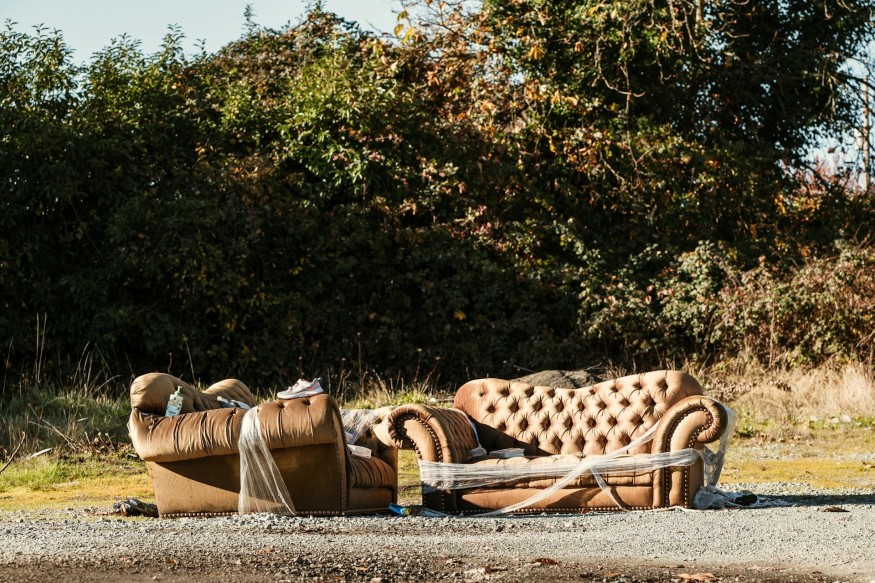
The proposals are aimed at lower-level offences, such as household items dumped in a street or a sofa abandoned in a public park. More serious cases, including persistent offenders and commercially motivated fly-tipping, would still be expected to be dealt with through prosecution.
The issue is particularly relevant in North Wales, where councils, Natural Resources Wales, North Wales Police and Fly-tipping Action Wales already work together on enforcement. The Welsh Government says enforcement can be complex and challenging, but points to successful operations in North Wales, including action against unlicensed waste carriers.
There have also been successful prosecutions locally. Two people were fined after waste dumped at Coed Moel Famau near Ruthin was traced back to them, following an investigation involving Fly-tipping Action Wales and Natural Resources Wales.
Under the proposed system, offenders would have to admit the offence and agree to the caution. They could then be required to carry out clean-up work, with the consultation suggesting up to 20 hours, and potentially pay a reparative charge reflecting the cost of clearing the waste.
If they failed to comply, the local authority could consider prosecution for the original offence.
Defra is also asking who should supervise offenders carrying out clean-up work, how councils would enforce the conditions and what the additional costs would be. It wants views on whether the scheme could reduce prosecution costs and clean-up bills, as well as any unintended consequences.
The consultation is open to 16 October 2026. Responses can be submitted through the Defra consultation portal.