September 27, 2026 - 161 views
A change to ferry travel between Ireland and Britain comes into force on Monday, meaning passengers on several routes will need to have a passport or passport card with them.
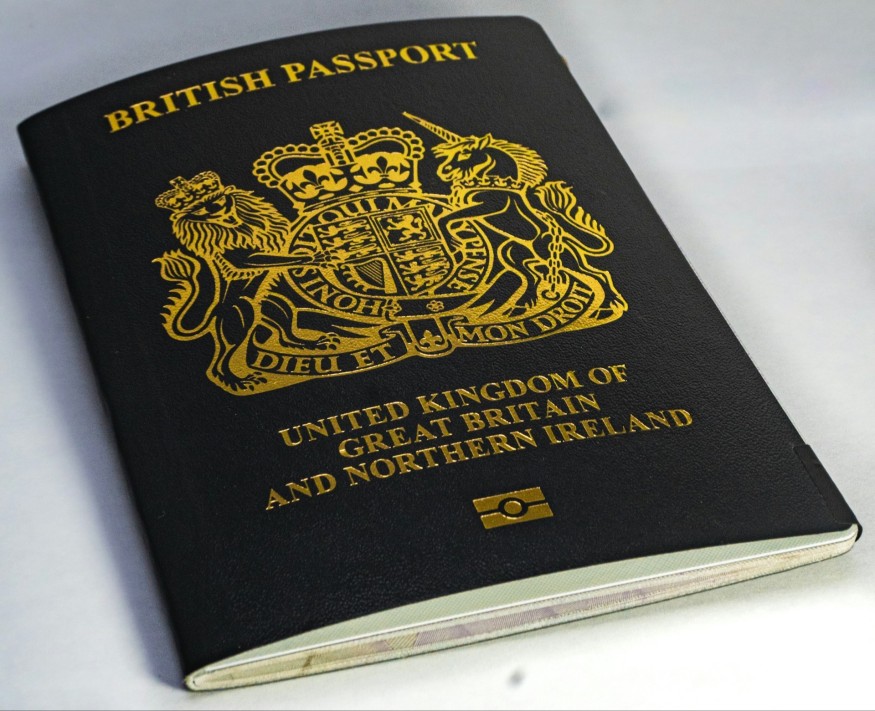
From Monday, 28 September, passengers travelling with Irish Ferries and Stena Line on a number of crossings will have to present a valid passport or passport card before travelling. Other forms of photographic identification, including driving licences and national identity cards, will no longer be accepted on those services.
The affected routes include Dublin to Holyhead and Rosslare to Pembroke with Irish Ferries, along with Dublin to Holyhead and Rosslare to Fishguard with Stena Line.
The change is particularly relevant to people travelling between North Wales and Ireland, including passengers using the Holyhead-Dublin route.
Under the Common Travel Area, British and Irish citizens continue to have the right to travel freely between the UK and Ireland without legally needing a passport. However, ferry operators are introducing their own passport requirements for these routes to meet UK Border Force requirements concerning passenger information and identity checks.
Stena Line says all passengers, regardless of age or nationality, will need to show a passport or passport card on the affected crossings.
The Irish Government's travel advice also confirms that the new ferry requirement comes into effect on 28 September, and advises passengers to check their travel documents before setting off.
The change follows similar requirements already introduced by many airlines. Passengers travelling by air between Ireland and Britain have generally been required to present a passport or passport card for boarding.
For people travelling from North Wales to Ireland, the practical message is simple: if you're booked on the Holyhead-Dublin ferry from Monday, take your passport or passport card with you. A driving licence will no longer be enough on the affected services.
It's also worth noting that this is not the EU's new Entry/Exit System. Ireland is outside the Schengen Area and is not participating in EES, so British visitors travelling to the Republic of Ireland do not have to register fingerprints or facial biometrics under that system.