November 03, 2026 - 185 views
An opera director is calling for more Welsh history to be taught in schools after discovering that many pupils know little about one of the most significant acts of protest in the nation's modern history.
Patrick Young, founder and artistic director of OPRA Cymru, says he was surprised by how few secondary school pupils had heard about the 1936 arson attack at RAF Penrhos, near Pwllheli.
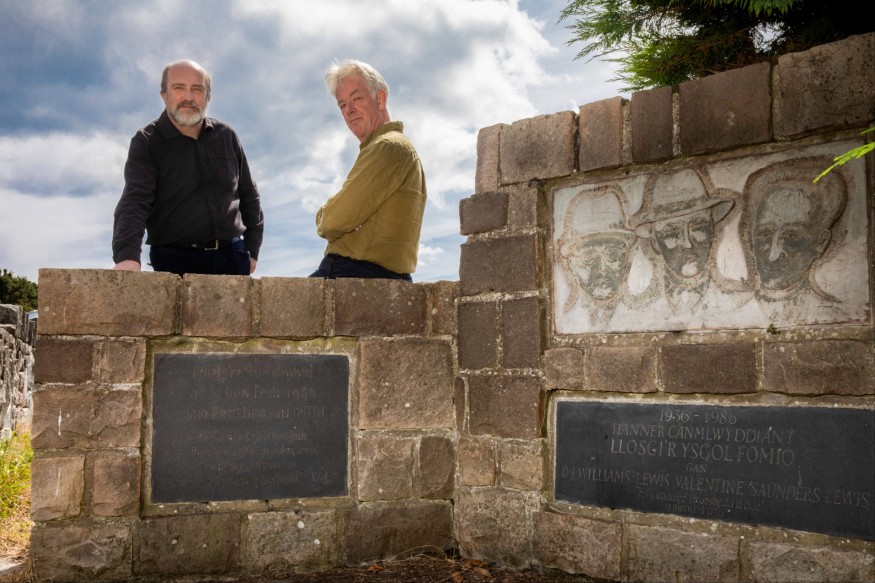
The incident saw three prominent Welsh nationalists, Saunders Lewis, D J Williams and Lewis Valentine, set fire to buildings at the site, which was being developed as a military bombing and training base.
The men subsequently gave themselves up to police and were jailed for nine months after being convicted at the Old Bailey. They were later welcomed back to Wales as heroes by a crowd of around 15,000 people in Caernarfon.
Ninety years on, their actions are the subject of a new opera, Fflamau Penyberth, which OPRA Cymru is preparing to premiere later this month.
Mr Young has written to Education and Welsh Language Cabinet Secretary Anna Brychan, arguing that key moments in the nation's history should have greater prominence in the Curriculum for Wales.
His appeal follows workshops at secondary schools across North Wales, where he found that while many pupils were familiar with the story of Tryweryn, considerably fewer knew about the events at Penyberth or the three men involved.
He believes the protest played an important role in shaping subsequent Welsh political and cultural movements, influencing campaigners including Eileen Beasley and Gwynfor Evans.
Mr Young, a former opera director at the Royal Opera House in London's Covent Garden, said schools should be given clearer guidance about the historical knowledge pupils are expected to acquire, alongside appropriate teaching resources and professional support.
He said the Penyberth story deserved greater recognition, arguing that the three men had sacrificed their freedom because of their convictions about the future of Wales.
Historian Arwel Vittle, who has checked the historical accuracy of the opera's libretto, also believes the incident deserves more attention in schools.
He describes the attack as an important turning point in Welsh history, arguing that it helped establish a tradition of direct action in the name of Wales which would influence later protest movements, including Cymdeithas yr Iaith Gymraeg.
The farmhouse at Penyberth had previously been associated with generations of patrons of Welsh poets and had served as a stopping point for pilgrims travelling to Bardsey Island.
It was demolished in 1936 to make way for an RAF base which operated as an air observer, gunnery and bombing school. The development prompted widespread opposition in Wales, with Saunders Lewis particularly critical of the use of the site for military training.
The new production has been commissioned by OPRA Cymru, with a score composed by Anglesey-based Gareth Glyn and a libretto written by Patrick Young in collaboration with Arwel Vittle.
The opera will receive its premiere at Neuadd Dwyfor in Pwllheli on November 19, before touring venues across Wales, including Bangor, Swansea, Barry, Brecon and Aberystwyth.
The company has launched a £15,000 crowdfunding appeal towards the production, which has a total cost of around £170,000.
Mr Young says even a small contribution could help bring the story to a new generation.
A talk by Arwel Vittle about Lewis Valentine and the road to Penyberth will also take place at Pwllheli Library at 7.30pm on Monday, November 16.
The final performance of the tour will return to Neuadd Dwyfor on December 5.
Further information about the production and tickets is available at www.opra.cymru. Donations can be made through OPRA Cymru's crowdfunding appeal