June 30, 2026 - 239 views
People across North Wales are being urged to rethink how they use water at home and in daily life, as leading scientists, environmental experts and industry figures back a new behaviour change campaign aimed at tackling rising pressure on supplies.
The initiative, Dewch i Arbed Dŵr / Let’s Save Water, comes as new research reveals that 92% of adults in Wales either underestimate or do not know how much water they use, highlighting a significant gap in public understanding at a time when climate change is increasing pressure on water systems.
The campaign is particularly relevant for North Wales, where communities from Eryri to the coastal towns of Gwynedd and Conwy rely on rivers, reservoirs and upland catchments that are increasingly affected by shifting rainfall patterns and longer dry spells.
Despite Wales’ reputation for high rainfall, experts warn that climate change is making water supply less predictable, with wetter winters, drier summers and more intense bursts of rainfall affecting how much water can be stored and used reliably.
More than half of people surveyed (56%) believe water shortages are only a short-term issue linked to hot weather, while a third (34%) feel their individual use makes little difference nationally.
However, the YouGov research of 1,040 Welsh adults suggests a major misunderstanding of actual usage. On average, people believe they use around 30 litres of water a day, compared to real consumption of about 140 litres — nearly five times higher.
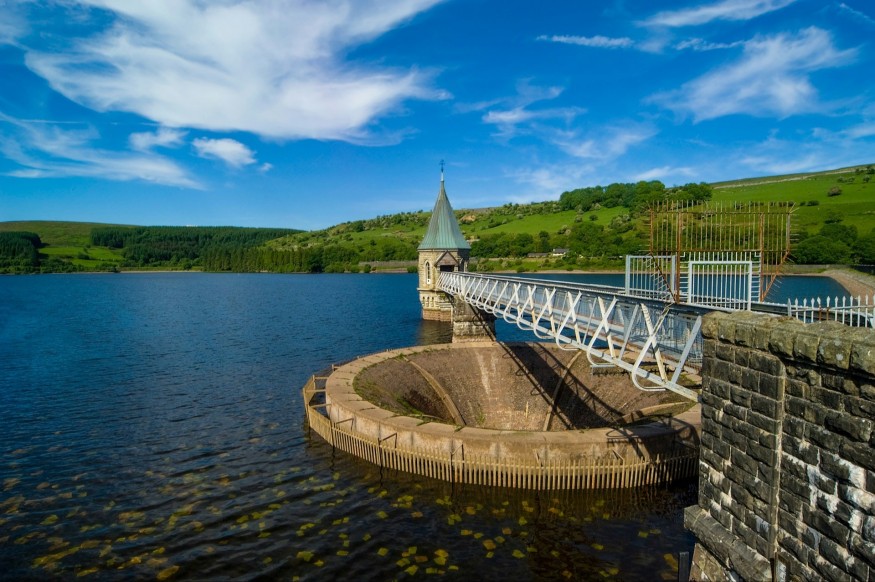
In North Wales, water is drawn from a network of upland reservoirs and river systems, including catchments feeding into Bala Lake, the Conwy Valley and the Clwyd and Dee river systems, which can come under pressure during prolonged dry spells or periods of high demand, particularly in summer months when tourism increases population levels.
The Welsh Government says the campaign is designed to encourage simple behaviour changes such as taking shorter showers, fixing leaking taps and reducing unnecessary water use, helping to ease pressure on both local infrastructure and the wider environment.
Welsh Government Minister for Rural Resilience and Sustainability, Llyr Gruffydd, said water must be treated as a valuable shared resource.
He said: “Water is one of our most valuable natural assets, and how we use it every day really counts.
“Climate change has the potential to impact our water supplies. We want to strengthen our resilience so future generations inherit a nation where water is valued and used wisely.
“Small changes, taken together, can make a real and lasting difference.”
Environmental experts say the impact is already being felt locally. Natural Resources Wales warns that changing rainfall patterns are putting pressure on rivers, habitats and wildlife across North Wales, particularly during warmer, drier periods.
Mary Lewis, Head of Natural Resource Management Policy, said: “While Wales may be known for its rainfall, climate change and shifting weather patterns means water may not always be reliable all year-round in the future.
“Every drop we waste at home or work is less water to keep our rivers and wildlife healthy.”
The Met Office has also warned that more extreme weather patterns are becoming the norm, rather than the exception.
Professor Lizzie Kendon, Strategic Head of Climate Processes and Projections, said: “More rainfall doesn’t automatically mean more usable water. When rain falls on dry ground it often runs off quickly instead of replenishing supplies.
“This is placing growing pressure on water resources, and small everyday changes can help protect them.”
Water regulator Ofwat said investment in infrastructure, including reducing leaks and upgrading networks, will continue, but stressed that public behaviour is also key to long-term resilience.
Chief Executive Chris Walters said: “This campaign is about helping people understand that water is a finite resource and that valuing it more highly today will help secure reliable supplies and protect the environment for the long term.”
The campaign will run alongside wider efforts to strengthen water resilience across Wales, with a particular focus on ensuring supplies remain stable for both communities and the natural environment in regions such as North Wales, where demand can fluctuate significantly throughout the year due to seasonal tourism and weather patterns.
For more information, people can search Dewch i Arbed Dŵr / Let’s Save Water or visit the campaign websites.