October 22, 2026 - 204 views
The long-term impact of this summer’s wildfires on North Wales’s landscapes and wildlife is among the issues highlighted as Wales brings emergency services, government agencies and land managers together to strengthen the response to future fires.
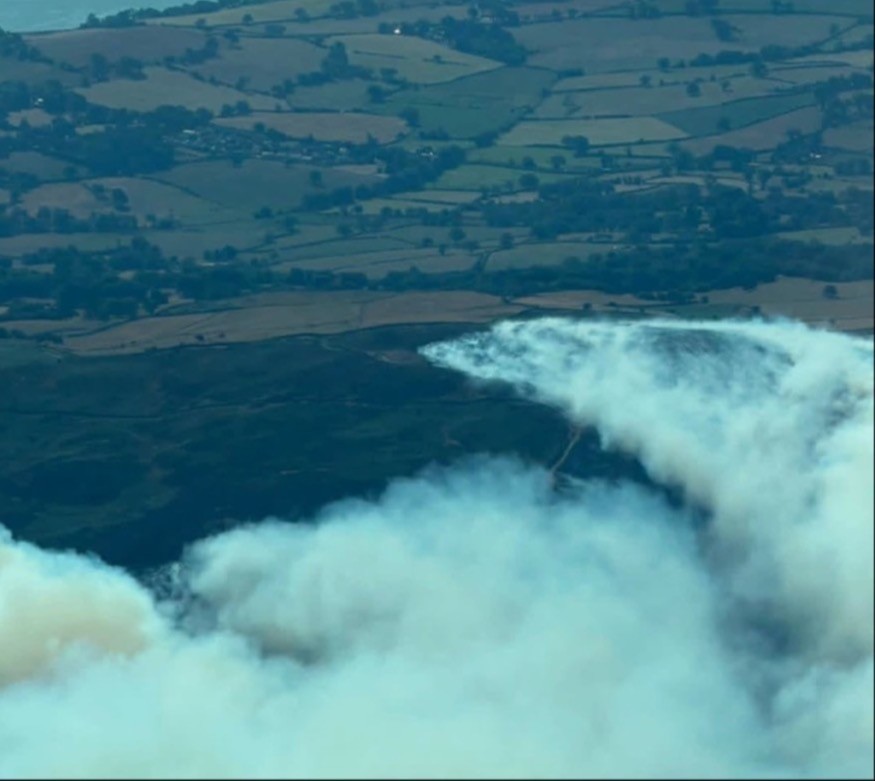
A wildfire in the Rhinogydd, near Harlech, was one of the major incidents that required a multi-agency response during a summer in which fires affected communities and countryside across Wales.
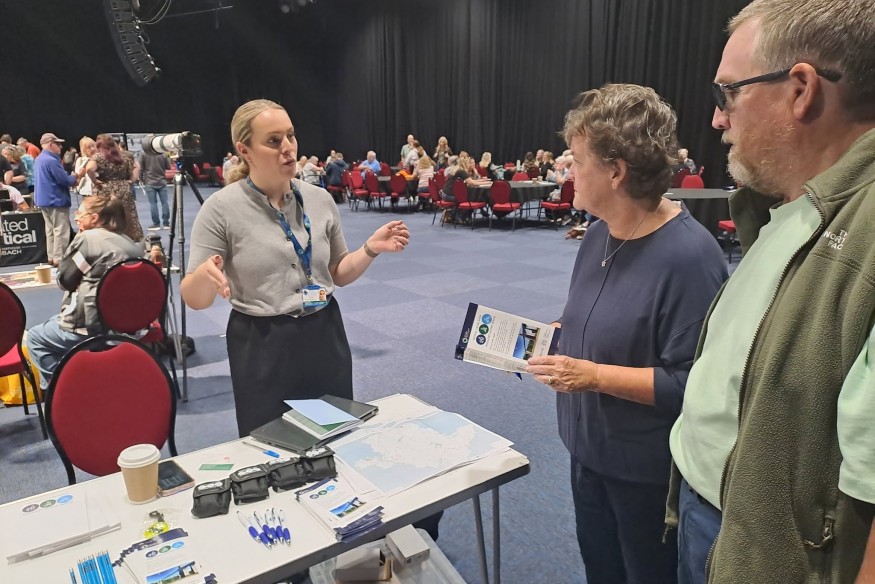
The Welsh Government’s wildfire resilience summit in Merthyr Tydfil is examining how Wales can better prevent fires, prepare for extreme conditions and coordinate the response when large blazes break out.
Natural Resources Wales (NRW) says the consequences of wildfires extend well beyond the immediate damage visible on the ground. Fires can destroy wildlife habitats, release carbon stored in vegetation and soils, and leave damaged ground that may take years to recover.
Dominic Driver, NRW’s Executive Director of National Operations, said: “The impacts of this summer's significant wildfires are still being felt across the country, going far beyond the visible scars left on the landscape. They can be seen in the habitats destroyed, carbon stores depleted, and damaged soils that will take many years to regenerate and recover.”
He said NRW was focused on helping nature recover while building resilience to the growing challenge posed by climate change.
“Creating wildfire-resilient landscape requires strong partnership between Government, fire and rescue services, landowners and land managers and communities themselves,” he said.
Mr Driver said action was needed before, during and after incidents, covering public awareness, prevention, land management, emergency response and environmental recovery.
The summit provides an opportunity for those involved to share lessons from this summer and consider how Wales can reduce the risks posed by hotter, drier conditions.
North Wales has its own reasons to take those lessons seriously. The Rhinogydd fire brought the threat of wildfire to a sensitive upland landscape, while fires elsewhere in Wales placed considerable demands on fire and rescue crews and supporting agencies.
The scale of the challenge was underlined during the summer, when Wales declared four major incidents. At one point, 14 incidents were ongoing simultaneously, with fire zones identified in more than 50 locations.
For rural communities, the consequences can include damage to habitats and farmland, disruption caused by smoke, and pressure on emergency services. The effects on the natural environment can continue long after flames have been extinguished.
NRW manages significant areas of land in Wales, including forests and nature reserves, and has a role in environmental recovery and land management. However, tackling wildfires requires coordination between agencies, firefighters, landowners, farmers and local communities.
Mr Driver said NRW recognised its contribution as a major land manager and conservation body, adding that it would prioritise work to help make Wales more resilient to climate change.
The challenge now is to turn the experience of this summer into practical measures that reduce the likelihood of future fires, improve the response when they occur and support the recovery of the landscapes and wildlife affected.