March 03, 2026 - 1226 views
A summer of celebrations will mark 850 years since the first recorded National Eisteddfod — a milestone being hailed as a defining moment in the story of Welsh language and culture.
Backed by £250,000 of funding alongside support from the National Lottery Heritage Fund, the anniversary programme will bring to life the origins of the festival through educational projects, creative performances and community events.
Organisers say the aim is not only to celebrate the past, but to inspire more people to use the Welsh language and take part in cultural life today.
The first recorded Eisteddfod was held in 1176 at Cardigan Castle under the patronage of Rhys ap Gruffudd, widely known as Lord Rhys. Poets and musicians were invited to compete in what became the foundation of a tradition that has endured for nearly nine centuries.
This year’s National Eisteddfod, known as Eisteddfod y Garreg Las, will take place in Llantood, less than four miles from the original 1176 gathering — creating a symbolic link between medieval Wales and the modern festival. A giant puppet of Lord Rhys will lead a celebratory pilgrimage from St Davids to Cardigan Castle in the run-up to the event, visiting villages along the way and placing community involvement at the heart of the anniversary.
Local schoolchildren will also take part in interactive performances exploring the story of Lord Rhys and the roots of the Eisteddfod, ensuring a new generation understands the significance of the tradition.
The modern National Eisteddfod remains Wales’ largest cultural festival, attracting hundreds of thousands of visitors annually. Today it is a vibrant mix of literature, music, theatre, art and competitions, all centred on the Welsh language. Winning the Chair or Crown remains one of the highest honours in Welsh artistic life.
North Wales has frequently played host to the Eisteddfod over the decades, underlining the region’s strong cultural identity. The festival has been held in towns and cities including Bangor, Llandudno, Denbigh and Wrexham, each time leaving a lasting cultural and economic impact.
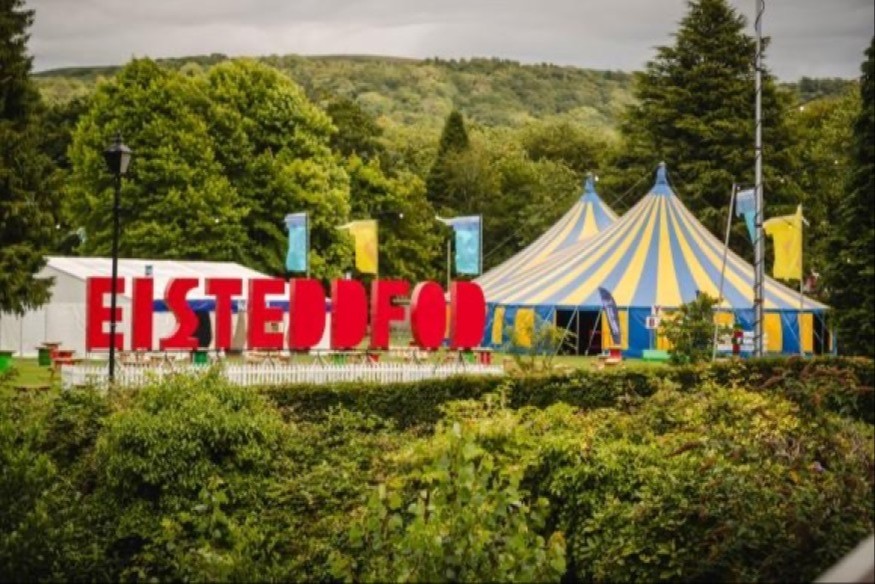
When the Maes — the festival field — arrives, it transforms the host area for a week, bringing performances, debates, exhibitions and thousands of Welsh speakers together in celebration.
Historically, the Eisteddfod has played a crucial role in preserving and promoting the Welsh language, particularly during periods when the language faced social and political pressure. In the 19th century it became central to the cultural revival movement, strengthening national identity. In more recent years it has provided a modern, inclusive platform where contemporary Welsh music and literature sit comfortably alongside ancient bardic traditions.
This year’s investment will also support a digital campaign designed to share the story of the Eisteddfod with audiences beyond Wales. Organisers say online content will help connect the 12th-century origins with the global Welsh diaspora.
The funding will further assist the festival’s sustainability drive. The National Eisteddfod has committed to becoming the first festival in Wales to reach net zero carbon emissions, introducing practical measures to reduce its environmental impact.
Betsan Moses, Chief Executive of the National Eisteddfod of Wales, said the anniversary would be marked with highly visible events that celebrate the language and culture as the parade travels across communities.
Cabinet Secretary for Finance and Welsh Language, Mark Drakeford, described the Eisteddfod as an institution that has shaped Welsh culture for generations, inspiring artists and supporting communities and local economies.
The Eisteddfod week itself, from 1 to 8 August, will blend past and present through ceremonies, performances and exhibitions marking 850 years of artistic competition and cultural pride.
Nearly nine centuries after poets first gathered under the patronage of a Welsh prince, the Eisteddfod remains both a celebration of heritage and a living, evolving symbol of the Welsh language — as vital in North Wales today as it was in 1176.