March 25, 2026 - 1068 views
Families planning Easter trips to farms across Wales are being urged to take extra care, following a warning from Public Health Wales about the risks linked to handling young animals.
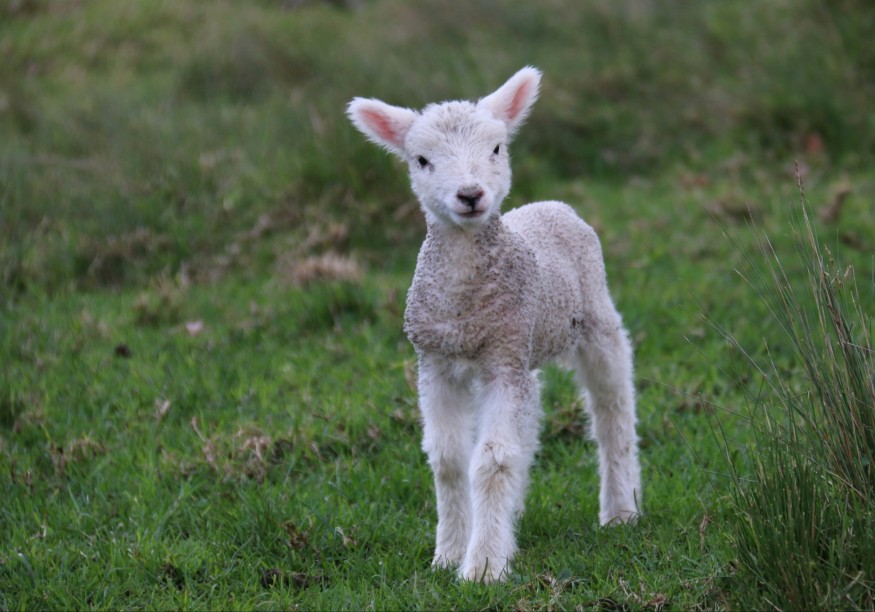
With lambing season in full swing — a popular attraction for visitors across rural areas including North Wales — health officials are advising people not to pick up or cuddle lambs during farm visits.
The warning comes after a rise in cases of cryptosporidiosis, a stomach infection caused by a parasite often spread through contact with farm animals. Last year, around 80 cases were linked to a single farm in South Wales.
The illness can cause symptoms including severe diarrhoea, vomiting, fever and stomach cramps. While most people recover, it can be more serious for young children, older adults and those with weakened immune systems.
Across farming areas in North Wales, springtime visits to lambing events are a major draw for families and tourists. However, health experts say close contact with animals — particularly young lambs — increases the risk of infection, especially if proper hygiene is not followed.
Dr Andrew Nelson, Senior Epidemiologist at Public Health Wales, said lambing season should still be enjoyed, but with caution.
He said: “Young farm animals can carry germs that cause illness. By avoiding close contact with lambs and practising good hand hygiene, visitors can significantly reduce the risk and still enjoy a safe visit.”
Public Health Wales is advising visitors to avoid holding or kissing lambs, wash hands thoroughly with soap and water after any contact with animals or surfaces, and avoid eating or drinking near animal areas. Hand sanitiser alone is not considered effective against the parasite.
Children should be closely supervised, particularly when it comes to handwashing, as they are among the most vulnerable to infection.
The advice also extends to farm operators, who are being encouraged to ensure proper handwashing facilities are available and clearly signposted, and to limit direct contact with animals where possible.
Health experts say infections like cryptosporidiosis are not uncommon at this time of year. The parasite can survive on surfaces such as fences, boots and clothing, meaning people can become ill even without directly handling animals.
Anyone who develops symptoms within two weeks of visiting a farm is being advised to contact their GP or call NHS 111, and to stay away from work or school until they have been symptom-free for at least 48 hours.
With thousands of visitors expected to head to farms over the Easter period, officials say simple precautions can make all the difference — helping families enjoy the experience safely while protecting public health.