April 11, 2026 - 1059 views
A property developer has been hit with a £40,000 fine after illegally demolishing buildings and destroying protected bat roosts on an industrial estate in Caernarfon.
Lancashire-based FI Real Estate Management Ltd, of Chorley, appeared before magistrates in the town on April 1, having previously admitted a charge of destroying a wild animal shelter.
The case centred on the firm’s actions at the Peblig Industrial Estate, where buildings were torn down in September 2024 without the necessary permissions—despite clear warnings and legal protections in place.
The court heard the offences breached both the Conservation of Habitats and Species Regulations 2017 and the Wildlife and Countryside Act 1981. As well as the fine, the company has been ordered to pay the full amount within three months.
An investigation began at the end of 2024 after Cyngor Gwynedd raised concerns that demolition work had taken place without authorisation.
Two years earlier, the firm had submitted plans to redevelop the site, including the removal of disused industrial units. A structural survey found several buildings were unsafe, partly due to trespassing and vandalism, and recommended urgent demolition.
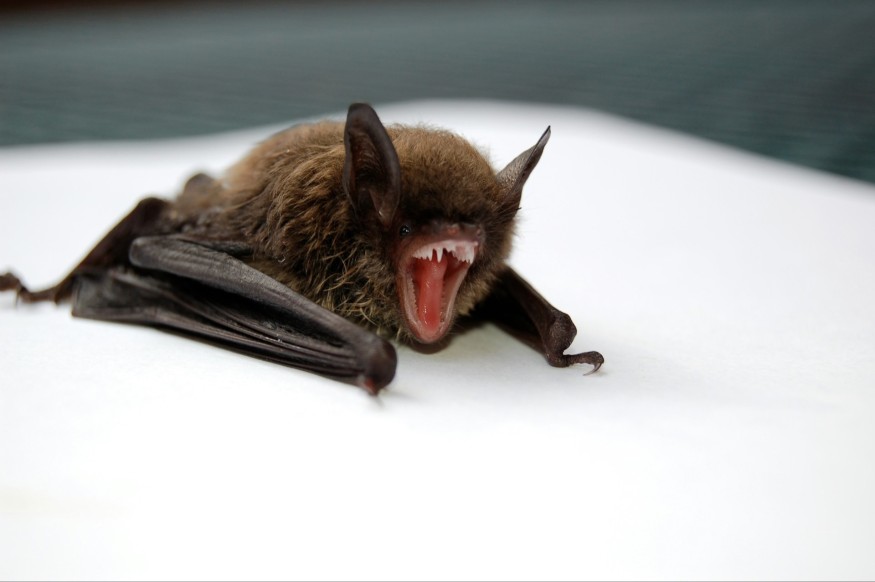
However, a key issue emerged during the planning process. A bat survey conducted in early 2023 identified three different species roosting within the buildings—placing them under strict legal protection.
That discovery meant the developer was required to obtain a European Protected Species licence from Natural Resources Wales before any work could begin. Plans also needed to include suitable replacement habitat, such as a purpose-built bat house.
In June 2023, a senior biodiversity officer rejected the proposed mitigation measures, stating they were not fit for purpose and required revision before any demolition could proceed.
Despite this, and a direct warning from the planning department, the company pressed ahead more than a year later—demolishing all buildings on site and destroying the bat roosts in the process.
Police described the impact as significant and irreversible.
Sergeant Peter Evans of the Rural Crime Team said the case should serve as a stark warning.
“The demolition caused irreversible harm to a protected species,” he said. “Developers and property owners have a clear legal obligation to carry out the necessary surveys and secure the correct licences before starting work—and to stick to them.
“This conviction sends a clear message that wildlife crime is not a victimless offence, nor is it an acceptable cost of doing business.”
The case highlights growing concerns around environmental compliance in development projects, and the serious consequences for those who ignore the rules designed to protect vulnerable wildlife.